
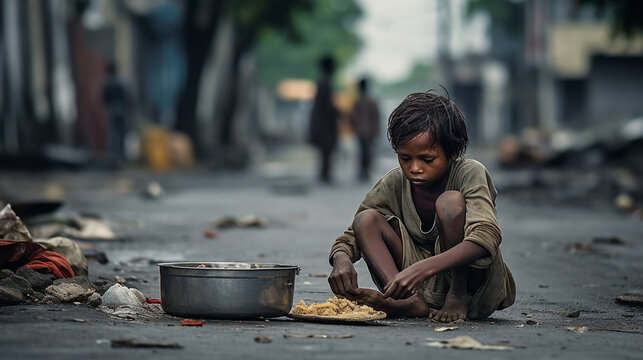
In a world full of curated success stories and highlight reels on social media, stories of hardship, especially those based on poverty and hardship, are often pushed to the edges. But these stories are very important. They show how strong people can be, point out the systemic unfairness in our societies, and give readers who see their own struggles in the pages hope and healing. Why read it? “A Light in the Darkness” by Michelle Sanborn reminds us of the truth that survival, perseverance, and change are just as important to tell as stories of wealth, power, or fame. In fact, they might be even more important because they tell us not only where we are, but also how far we can go.
The Strength of Representation
Representation is one of the most important reasons we need more stories about people who have overcome poverty. Literature and media frequently neglect to represent the complete range of human experience. Instead, they focus on the glamorous, the unusual, or the things that are easy to understand. For people who grew up poor, in homes that weren’t stable, or in communities that were neglected, not being accurately represented can feel like being erased. A story like Sanborn’s fills an important hole. It tells a person, like a teenager from a broken home or a single mother who works two jobs, that they are not alone. It confirms their reality and, more importantly, shows that survival and success are not the same thing. Seeing oneself in literature creates a sense of belonging and power that can’t be faked.
Understanding Poverty Beyond Numbers
Poverty isn’t just a number. It is an experience that shapes who you are, what you can do, and how you see things. Statistics can tell us about things like income inequality, unemployment rates, and housing insecurity, but they can’t tell us how it feels to grow up with empty cupboards or be afraid of being kicked out of your home. Stories like “A Light in the Darkness” help make sense of the data. They make the experience more real by showing how living in poverty affects people emotionally, mentally, and socially. These stories help readers, especially those who have never had to deal with such problems, understand how others feel. They connect people from different worlds, which helps people understand each other and, hopefully, feel compassion.
The Truth About Hard Times and the Myth of Meritocracy
We live in a society that often spreads the false idea that anyone can succeed if they work hard enough. But for a lot of kids who grow up in poverty, the road to success is full of hidden obstacles, like schools that don’t get enough money, not having enough food, racism in the system, mental health issues, generational trauma, and more. Reading real-life stories of hardship helps us see the flaws in the ideas behind meritocracy. We start to understand that resilience isn’t a special trait; it’s something that comes from need. Success stories can be motivating, but they are rarely straightforward or painless. Recognizing this helps people who are having trouble feel less ashamed. It changes the focus from blaming one person to holding everyone accountable.
Ending the Silence and the Stigma
Shame is one of the long-lasting effects of being poor. People who have been through hard times often think that their problems are their fault, not the fault of the system as a whole. This silence keeps cycles of poverty going. People don’t share their stories when they are ashamed of them. People forget about these problems when stories aren’t shared, or they choose to ignore them. Stories that break the silence, like Michelle Sanborn’s memoir, fight that stigma. They show that even in the worst of times, people can be strong and have dignity. They let other people speak, own their experiences, and not feel ashamed. People who read a book like “A Light in the Darkness” don’t just learn more about someone else’s life; they also feel the need to look at their own stories, biases, and beliefs.
Making Room for Healing
Reading and writing about hard times can be more than just educational or enlightening; it can also be very healing. For people who have been poor, hurt, or abused, seeing their story in print can be life-changing. It says, “You are not alone.” You are not broken. You are not forgotten. Additionally, telling your own story can be a type of therapy. Memoirists like Sanborn aren’t just telling stories; they’re taking back their own stories. They’re turning pain into a reason to live. And by doing so, they let others do the same. The effect grows stronger when these stories are told to a lot of people. One person’s healing can inspire another.
Changing the Talk—and the Future
Stories are powerful. They affect culture, policy, and what people think. If the main stories we tell are about money, power, and ease, we might forget about the millions of people who are just trying to stay alive. We need more stories of people who have overcome problems, not just to inspire people, but to make things better. When people know how poverty affects people, they are more likely to back policies that try to fix inequality. When voters hear about real problems, they are more likely to want something done. In this way, telling stories becomes activism.
What We Can Do
How can we help these important stories spread?
- Read and Tell Others: Help writers who write honestly about poverty and hard times. Give them their work. Suggest their books. Talk to people.
- Don’t judge when someone tells you their story; just listen. Don’t brush it off with empty words or compare it to your own. Just pay attention.
- Encourage Storytelling: Whether it’s writing in a journal, a blog, or a memoir, or speaking your mind, tell others to tell their truth.
- Support Representation: Fight for a wide range of voices to be heard in publishing, media, education, and leadership.
- Learn: Read a lot. Learn what causes poverty. Question what you think.
Final Thoughts
We need more stories about people who have overcome poverty and other problems because they remind us of what it means to be human: to fight, to hope, and to rise. These stories are more than just stories of survival; they are plans for how to connect with others, feel empathy, and make a difference. Michelle Sanborn’s “A Light in the Darkness” is just one example of how powerful, honest stories can bring out the best in people. But it shouldn’t be alone. It should be one of many. The more we tell these stories, the more light we bring into the world and the less darkness we have to deal with on our own.